 admin
admin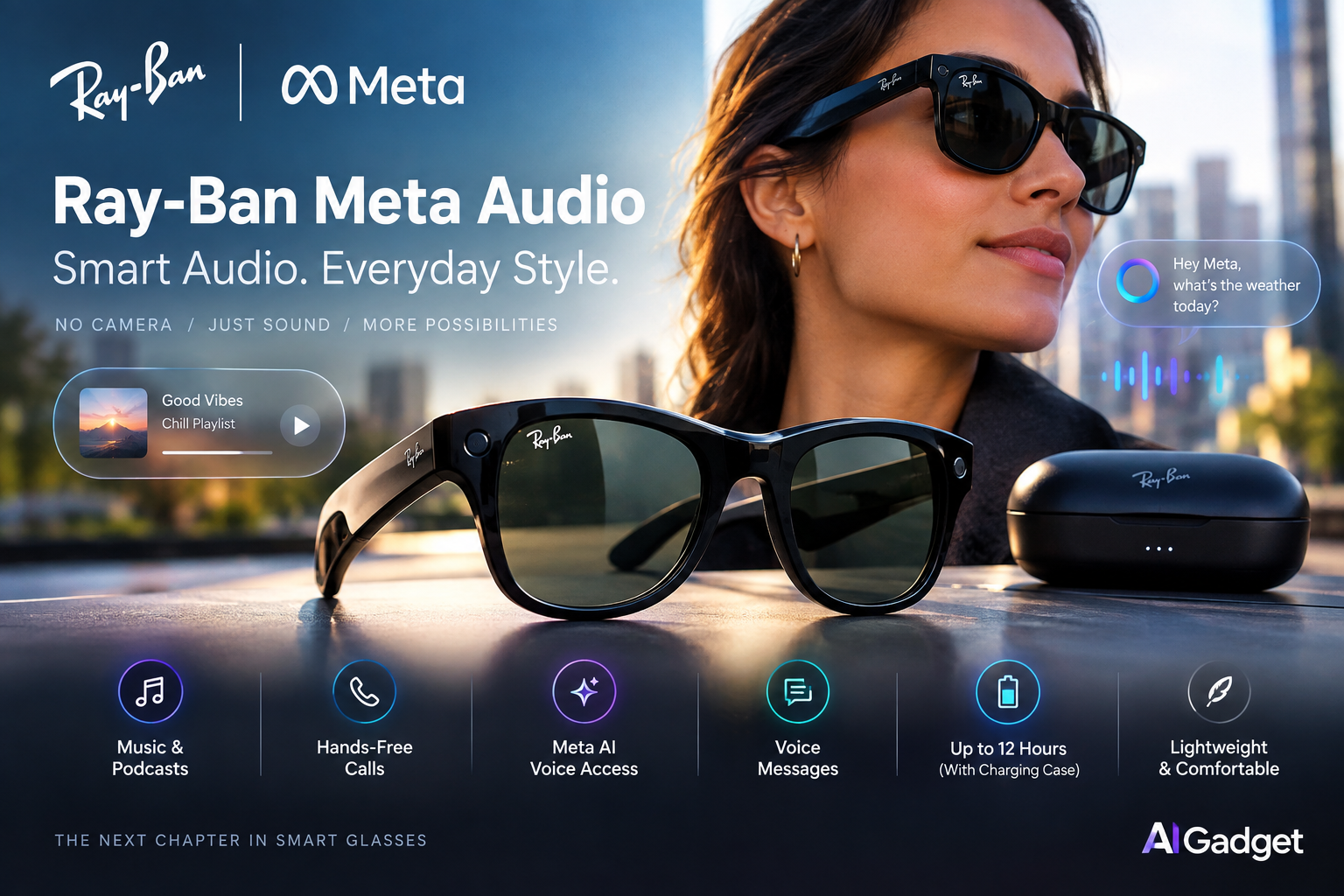
Ray-Ban Meta Sales Halted in Netherlands and Belgium Over Privacy Concerns
October 3, 2026
Ray-Ban Meta smart glasses are facing renewed privacy scrutiny in Europe after Dutch eyewear retailer Hans Anders suspended sales of the glasses in the Netherlands and Belgium.
The decision comes as concerns continue to grow around camera-equipped smart glasses and the possibility of recording people without their knowledge or consent.
Hans Anders Suspends Sales
Hans Anders, one of the largest eyewear retail chains in the Netherlands, said it had suspended sales of Meta’s Ray-Ban smart glasses in the Netherlands and Belgium.
According to the company, the decision follows the ongoing public and political debate surrounding smart glasses and questions about how the technology should be used.
The move is notable because it represents one of the first cases in which a major retailer has stopped selling Meta’s smart glasses specifically amid privacy concerns.
Why Are Smart Glasses Raising Privacy Questions?
Unlike traditional glasses, camera-equipped smart glasses can capture photos and videos while appearing similar to ordinary eyewear.
The concern is not simply whether the wearer is allowed to record something. It is also about people who may appear in the camera’s field of view without realizing they are being recorded.
Dutch privacy authorities have recently warned that videos recorded with smart glasses that show identifiable people generally cannot be shared or published without appropriate permission.
This creates a difficult situation for smart-glasses manufacturers and users because the technology is designed to make hands-free recording easy.
Meta’s Response
Meta has defended the privacy features built into its camera-equipped glasses.
The company says every camera-equipped pair includes a front-facing light that flashes when a photo or video is being captured. Meta also says the camera is designed to become disabled if the system detects that the indicator light has been covered or tampered with.
However, privacy advocates have continued to question whether these safeguards are sufficient in real-world situations.
A Dutch consumer organization, Consumentenbond, previously reported tests suggesting that the recording indicator could be difficult to notice in certain conditions and raised concerns about attempts to bypass the privacy mechanism.
A Wider Debate Around AI Glasses
The controversy is larger than Ray-Ban Meta itself.
Smart glasses are becoming increasingly capable. Modern models can combine cameras, microphones, speakers and artificial intelligence to provide hands-free assistance, record content, answer questions and interact with digital services.
That combination creates new possibilities, but it also raises questions about how people around the wearer can know when they are being recorded or when their voice and image may be processed.
In the UK, pub chain Wetherspoon has also restricted the use of Meta’s glasses because of concerns about covert recording, according to Reuters.
These developments show that privacy is becoming an important issue for the wider smart-glasses industry as the technology becomes more common.
What This Could Mean for the Future of AI Glasses
The situation could influence how manufacturers design future AI glasses.
Camera-free products could become particularly interesting because they can provide some AI and audio functionality without the same type of visual-recording capability.
Meta recently introduced Ray-Ban Meta Audio, an audio-focused model without a camera. The company says the glasses combine speakers, microphones and AI features while offering up to 12 hours of use on a single charge.
As AI glasses become more widespread, manufacturers may need to balance convenience and functionality with privacy expectations and local regulations.
For consumers, the debate highlights an important question: how much information should a wearable device be able to capture about the people and environment around its wearer?
For the smart-glasses industry, the answer could influence the design, features and public acceptance of the next generation of AI-powered wearables.
AIGadget will continue following the development of AI glasses, smart wearables and the technologies shaping the future of connected devices.